The History of PlayStation (So Far): From the Nintendo Split to the PS6
From the PS2Home archive
This article was published in 2013 and is kept online for reference. Prices, availability and opinions reflect that time.
Every PlayStation console that exists — all six generations of them, plus the handhelds — traces back to a single corporate humiliation in 1991. What followed was the most successful run in video game history: over half a billion consoles sold, the best-selling games machine ever made, and a brand that still sets the pace. Here's the whole story, start to finish — and what we know about what comes next.
The Beginning: The Console Nintendo Built by Accident
In the late 1980s Sony and Nintendo struck a deal: Sony would build a CD-ROM add-on for the Super Nintendo. But at CES in June 1991, one day after Sony announced the partnership, Nintendo publicly revealed it was actually working with Philips instead. Sony was humiliated on the biggest stage in tech.
Rather than walk away, Sony president Norio Ohga backed engineer Ken Kutaragi — the man who'd designed the SNES sound chip and nearly been fired for it — to turn the orphaned project into a standalone machine. On 3 December 1994 the PlayStation launched in Japan at ¥39,800 and sold 100,000 units on day one. It reached the US and Europe in September 1995 at $299 — the price famously delivered as a single word at E3, undercutting the Sega Saturn on the spot.
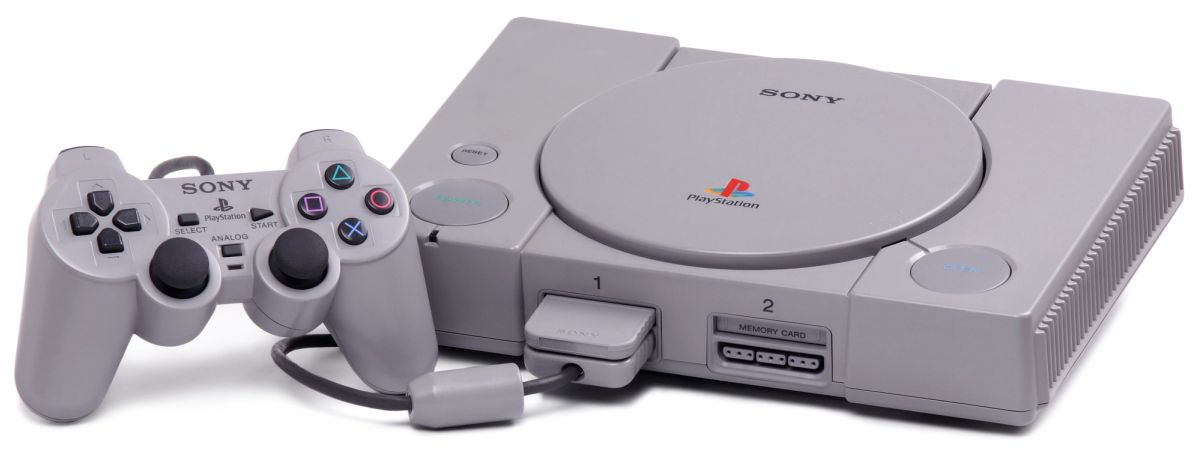
CD-ROMs were cheap to press, 3D graphics wowed developers, and Sony marketed to an older crowd than Nintendo or Sega dared. Crash Bandicoot, Gran Turismo, Tekken, Final Fantasy VII, Metal Gear Solid, Resident Evil — the PS1 catalogue reads like a list of genres being invented. In 2000 Sony even released the tiny, redesigned PS one, which outlasted its successor's launch marketing. The final tally was 102.4 million consoles — the first home games machine ever to cross 100 million. Sony's own history page still tells the story proudly.
PlayStation 2: The Empire Strikes
If the PS1 made PlayStation a player, the PS2 made it an empire. Launched in Japan on 4 March 2000, it arrived with a built-in DVD player at a time standalone DVD decks cost more than the console itself — for millions of households the PS2 was the cheapest DVD player on the market. It also played the entire PS1 library out of the box, an unheard-of courtesy at the time.
The games did the rest. Grand Theft Auto III, Vice City and San Andreas. Gran Turismo 3 and 4. Metal Gear Solid 2 and 3. Final Fantasy X and XII. Shadow of the Colossus, God of War, Kingdom Hearts — the PS2 library ran to nearly 11,000 published titles, and we've ranked the very best of them in our top 100.
The PS2 Slim arrived in 2004, prices dropped to $99, and Sony kept building the machine until 2013 — a production run of almost thirteen years. Final tally: over 160 million sold, making it the best-selling console of all time, a record that still stands today. We've told that story in full — including how it happened — and tracked every milestone on the complete PS2 timeline.
The Difficult Middle: PSP and PS3
Flush with success, Sony went ambitious — and expensive. The PSP (2004 in Japan, 2005 in the West) was a genuinely beautiful handheld, a "PS2 in your pocket" that sold over 76 million units despite rampant piracy and a losing battle with the Nintendo DS.
Then came the stumble. The PlayStation 3 launched in November 2006 at $599, powered by the exotic Cell processor that developers found maddening to program. Sony's executives sounded arrogant, Xbox 360 had a year's head start, and the early years were grim. But Blu-ray won the format war, the price fell, and an extraordinary late run of exclusives rescued the machine — it finished on 87.4 million, respectable but well below what Sony had expected.
Course Correction: Ps VITA and PS4
The PS Vita (2011–12) repeated the pattern in miniature: gorgeous hardware, but expensive proprietary memory cards and a market migrating to phones strangled it. Sony quietly let it go — the last dedicated PlayStation handheld.
The PS4, announced in 2013, was the opposite philosophy. Built on ordinary PC-style x86 architecture that developers actually enjoyed working on, priced at $399, and launched with a now-legendary 22-second video demonstrating how to share a physical game — a direct dunk on Microsoft's DRM plans for Xbox One. It worked: the PS4 sold over 117 million units, spawned a mid-generation PS4 Pro, and restored Sony's reputation completely. The PS4 era also normalised the things that now define PlayStation: a paid online tier via PS Plus, blockbuster first-party single-player games like God of War and The Last of Us Part II, and a digital storefront that quietly overtook physical sales.
PS5: Speed, Scale — And the Pro
The PlayStation 5 launched in November 2020 into a pandemic and a global chip shortage, and still sold out for two straight years. Its headline feature wasn't raw graphics but the custom SSD — load times measured in blinks rather than seconds — plus the DualSense controller's genuinely novel haptic feedback. Sony added a mid-generation PS5 Pro in November 2024, experimented with the PS Portal streaming handheld and PSVR2, and pushed PlayStation Plus into a tiered subscription service. As of mid-2026 the PS5 family has passed 95 million units sold and is still climbing — on pace to challenge the PS4's total, though not the PS2's.
What's Next: The PlayStation 6
Sony hasn't announced the PS6 — but it's hardly a secret. In October 2025, PS5 architect Mark Cerny appeared in an official video with AMD to discuss "Project Amethyst", a joint program on machine-learning graphics technology. Most of it was two engineers enthusing about neural rendering and ray reconstruction, but then Cerny let slip he's "really excited" about bringing it all to "a future console in a few years' time" — the closest thing to a PS6 confirmation we're likely to get for a while.
The credible leaks paint a consistent picture: a custom AMD Zen 6 CPU and RDNA 5 graphics — staying on x86, which should make PS4 and PS5 backwards compatibility trivial — with dedicated neural hardware for next-generation AI upscaling. A companion handheld, codenamed "Canis", is rumoured to launch alongside it. Sony's own president has confirmed no date is set, and with global memory prices spiking, what looked like a holiday 2027 launch is now widely expected to slip to 2028 or later.
One sobering note for retro fans: nothing Sony has said suggests the PS6 will look further back than the PS4 era. The PS2 library still isn't natively playable on modern PlayStations — which is why archives like this one, and options like emulation or picking up original hardware, matter more than ever.
Thirty Years and Counting
From an embarrassed also-ran to the defining name in console gaming — and the PS2 remains the mountain every successor is measured against. Dig into the era that made it happen: the 100 best PS2 games, the complete PS2 timeline, the full hardware specs, or browse the entire games catalogue.